Glossary
Spirits: General Information
Spirit (plural spirits)- The source of the supernatural! Spirits are wondrous beings with all sorts of abilities! In addition to being able to shapeshift, the very laws of reality seem to bend to their will! Spirits come in five varieties:
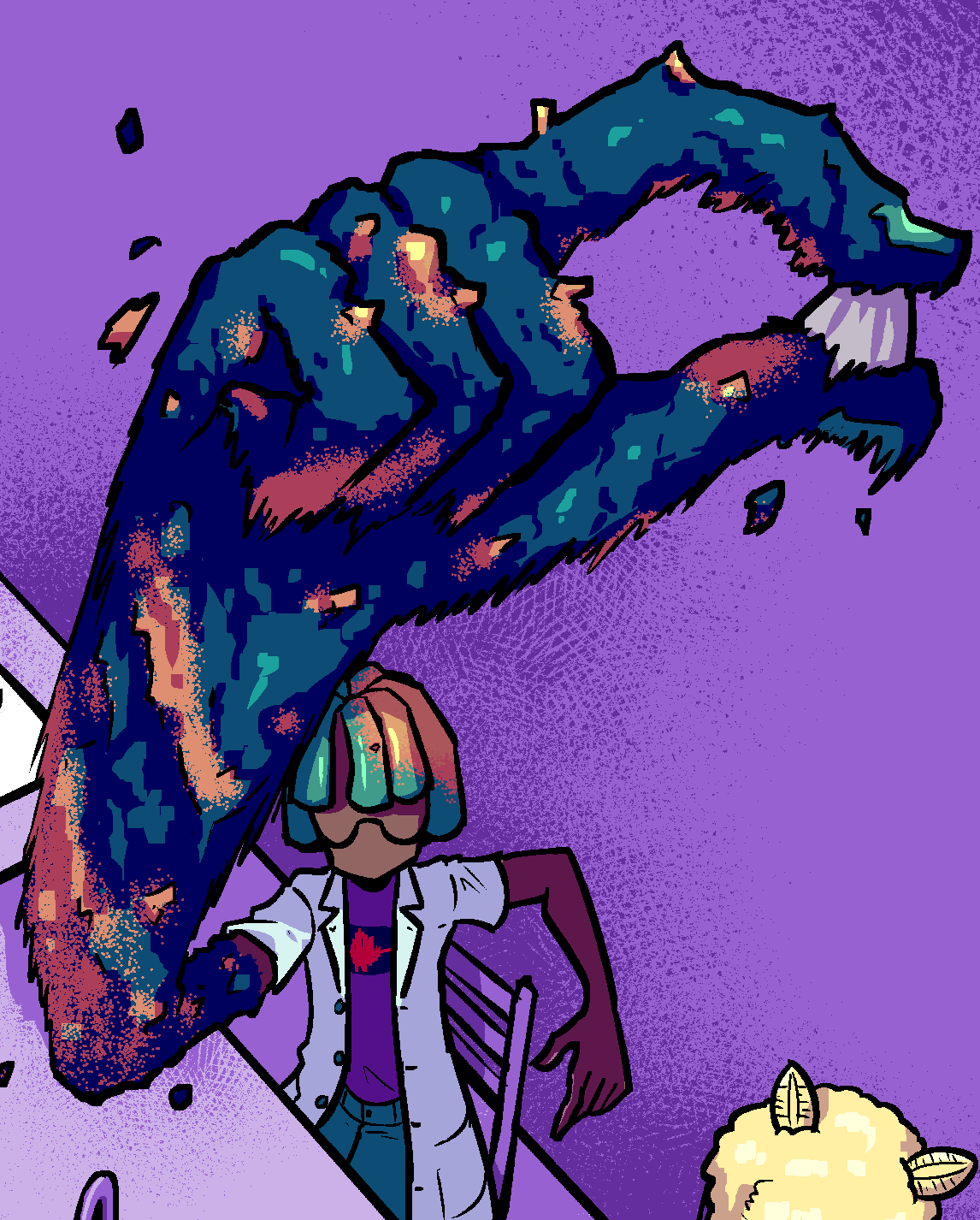
Gnome (plural gnomes)- Contrary to what you might think, gnomes are far from the short, stout men you’d find decorating a Western front yard. Gnomes are spirits that specialize in manipulating inorganic solid matter! They can pass through walls and floors like it’s air, too. Gnomes mostly have reptilian features on them, so if you see a chameleon- or turtle-like person suddenly moving the ground to their whim, you might just be looking at a gnome! |
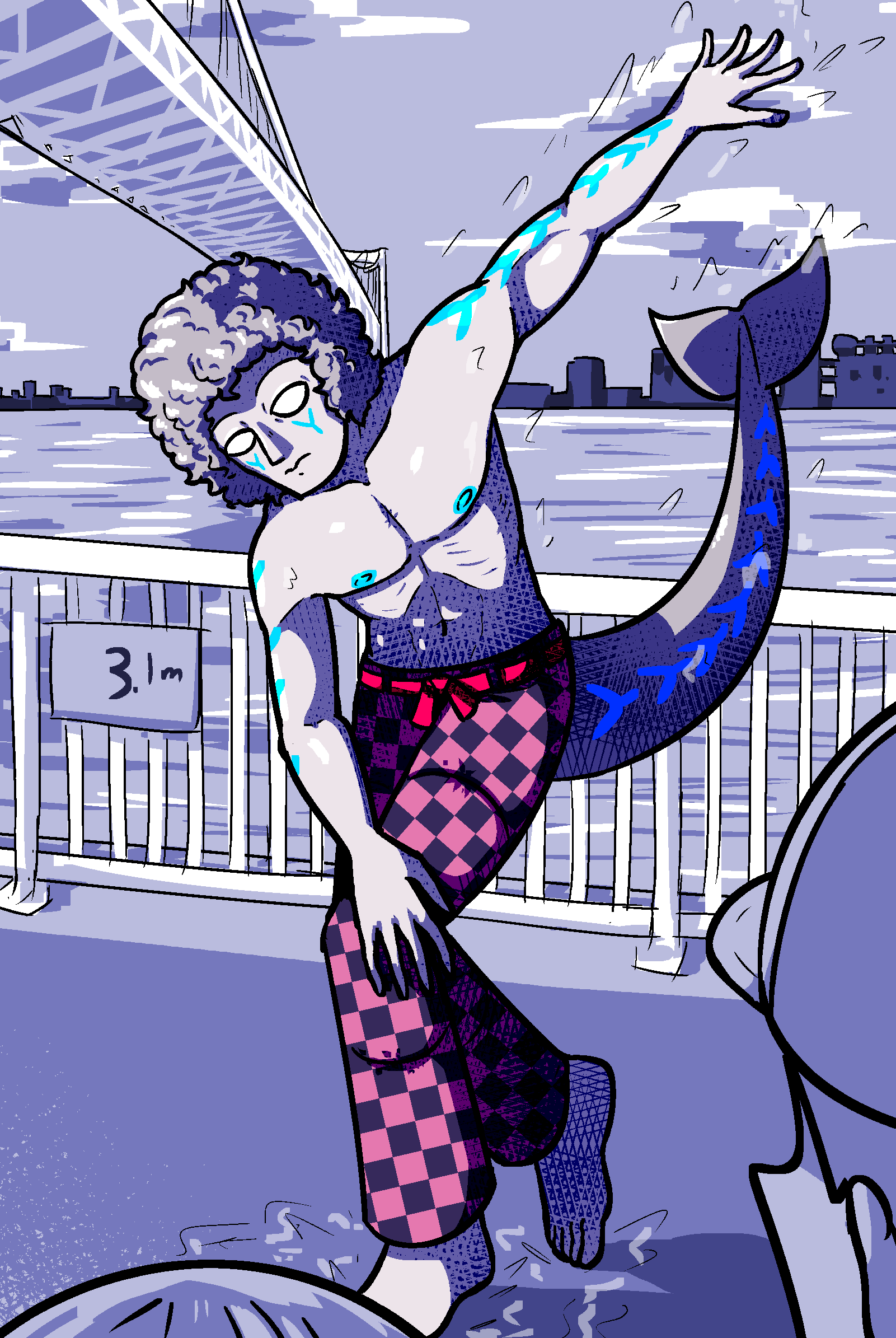
Psychopomp (plural psychopomps)- Death gods, shinigami, whatever you wanna call them, they can communicate with the souls of dead humans and animals—or so they claim—and they can even visit the realm of the dead! Or so they claim. Psychopomps look like all sorts of mammals, and because of that they’re some of the most diverse spirits around. Kitsune? Centaurs? Selkies? All three of those and more are psychopomps! |
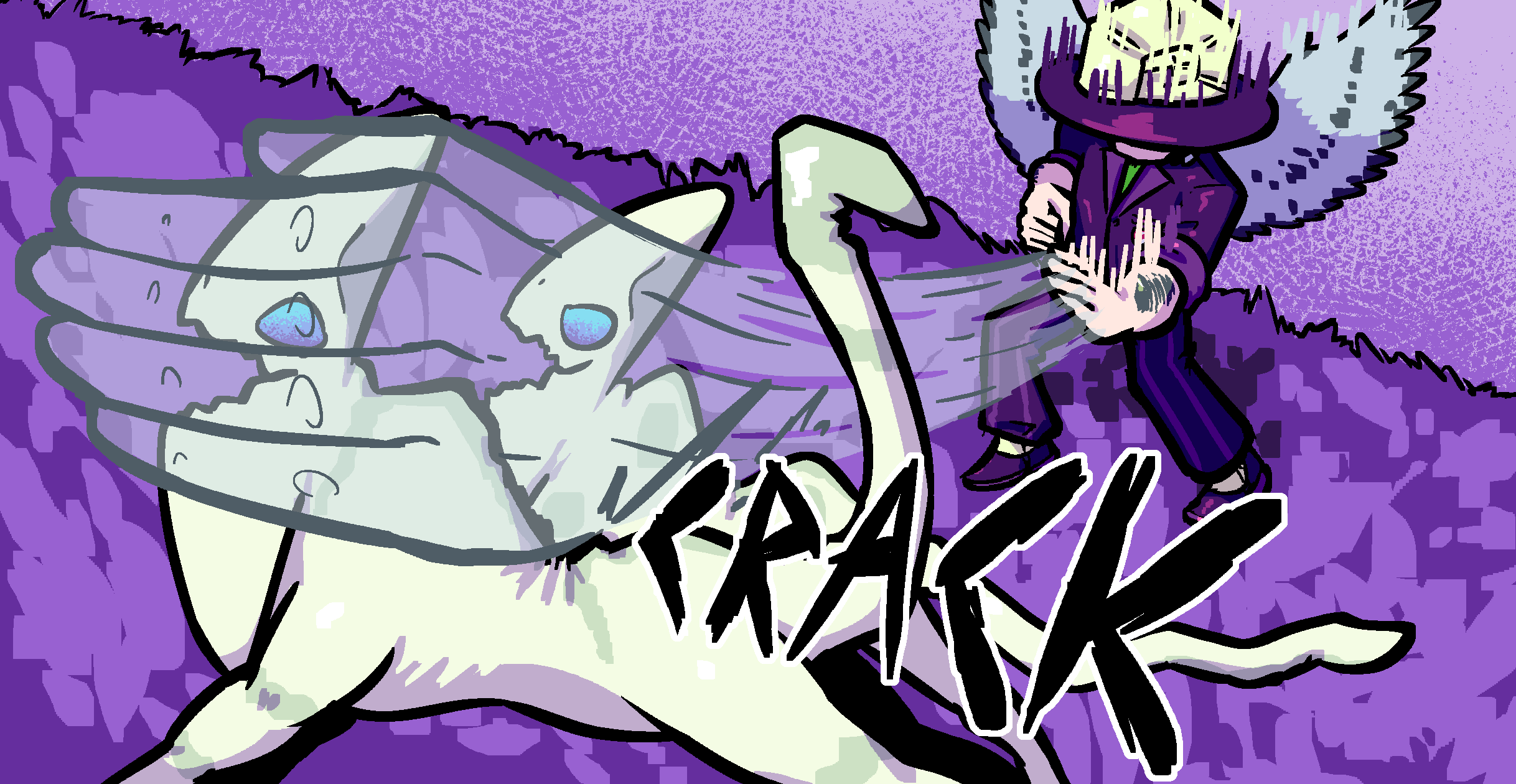
Sylph (plural sylphs)- Another of the classical elementals, sylphs can manipulate inorganic gasses of all sorts, or in Paracelsian terms, wind! Sylphs resemble birds, and they tend to make that clear by flaunting their beautiful wings! Those wings are mostly just for show, though, since they can fly just fine without them. Did you know tengu are sylphs? I didn’t until one of them told me! |
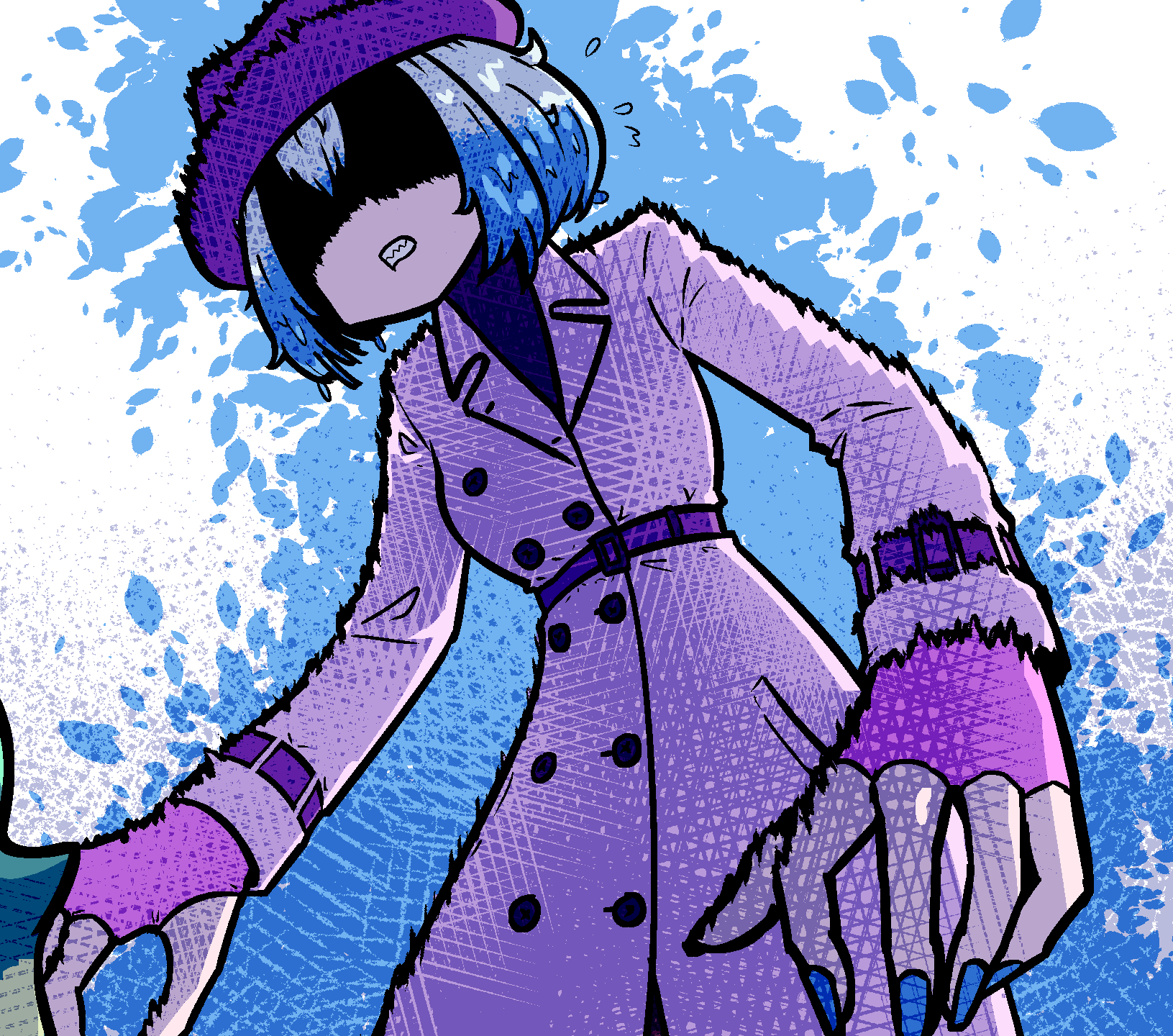
Undine (plural undines)- Undines control the flow of inorganic liquid matter—mostly water! They’ve all got fish-like attributes to them, making them quite adept at swimming! Piss off an undine and you might just suffer a forty-day storm or a rogue wave! Do note that some undines specialize in manipulating water-adjacent matter, such as ice and mercury, so their abilities are quite diverse. |
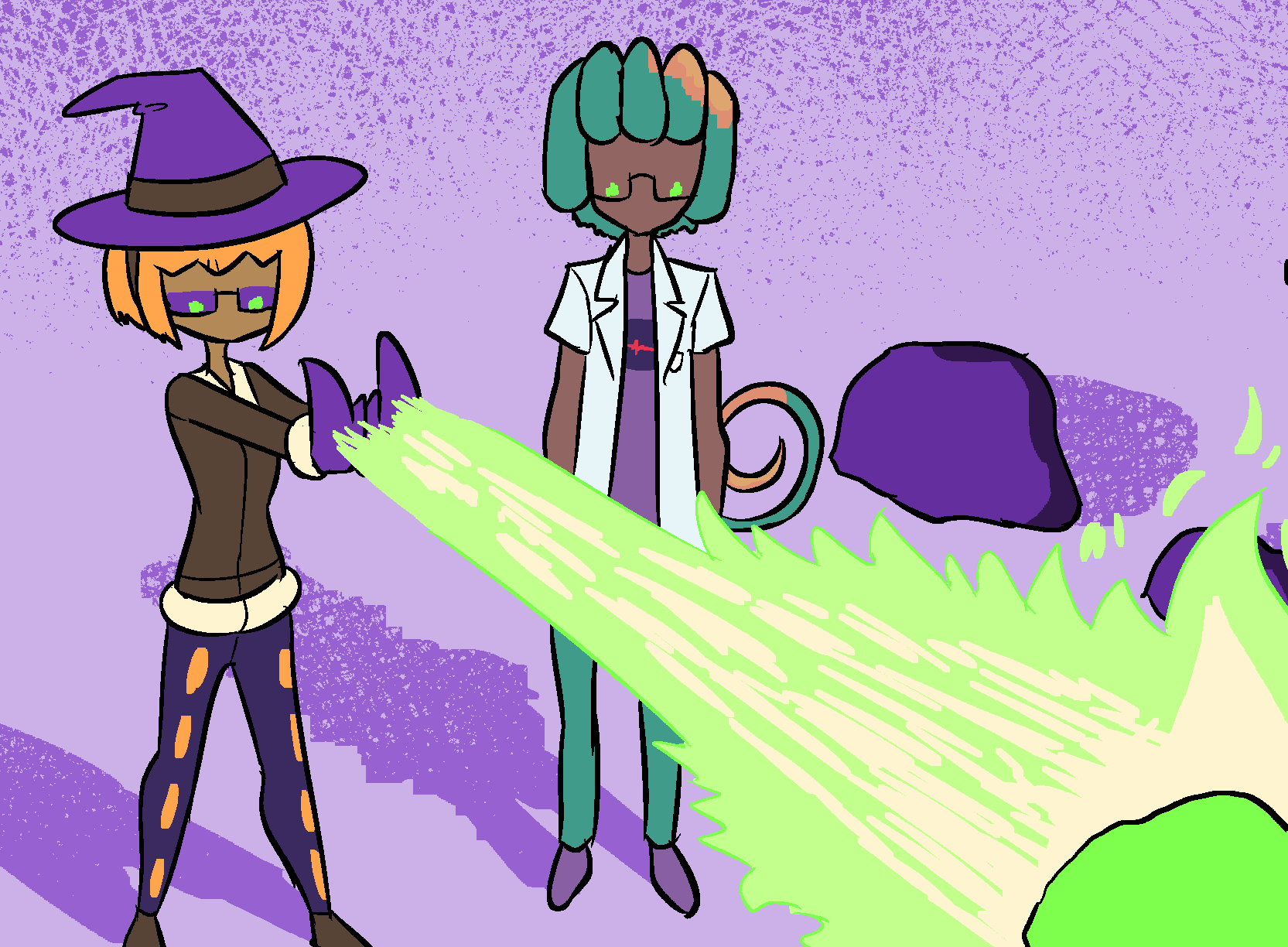
Vulcan (plural vulcans)- They prefer the term “vulcan” to “salamander” to minimize confusion and for brevity's sake. Vulcans manipulate plasma (the state of matter), and it seems that humans in the old days mistook it as manipulating fire, because plasma can cause fires. Vulcans resemble amphibians, such as frogs and salamanders, the latter of which they got their historical name after. Vulcans are said to be some of the most destructive spirits; I’ve seen some discharge blasts of electricity and create miniature stars! |
Ichor (uncountable)- A spirit’s body contains a substance called ichor, which is essentially their blood. It’s like the sand in the hourglass that tells them how long they have left to live: it slowly depletes over the course of hundreds of years, and if they ever receive a wound or expend too much of their energy, ichor leaks out. In either case, the spirit dies and dissolves into nothing.
Spirits can change their form, but only as much as their ichor allows them to. The more ichor a spirit has, the larger on average they are, because they can’t shrink to a smaller size.
Petrichor (uncountable)- A spirit’s skin. Petrichor is malleable and can expand or contract a good bit. However, it’s quite thin (about as thin as human skin), and breaking it causes ichor to bleed out. If a wound isn’t treated in time, then the spirit will eventually bleed out and die. Petrichor can be replenished by consuming organic matter, but ichor doesn’t, so spirits should still be careful with their bodies.
Petrichor is what allows spirits to change their form. In addition to being malleable, it can also change color and texture. Petrichor varies between spirits: a vulcan’s petrichor is warmer and smoother than that of a gnome, for example.
Spirits, overall, have extremely delicate physical bodies. Their petrichor is extremely thin, and puncturing it makes their ichor leak out and evaporate. Spirits don’t leave a trace when they die, which also means that they don’t have a fossil record, and their origins are still shrouded in mystery, even to themselves.
Spirits can live extremely long lives which can reach thousands of years. They also reproduce asexually, and every fifty years they lay a single egg from which their young hatches. Sexuality and gender are simply constructs to them, so spirits can identify however they please, whenever they please!
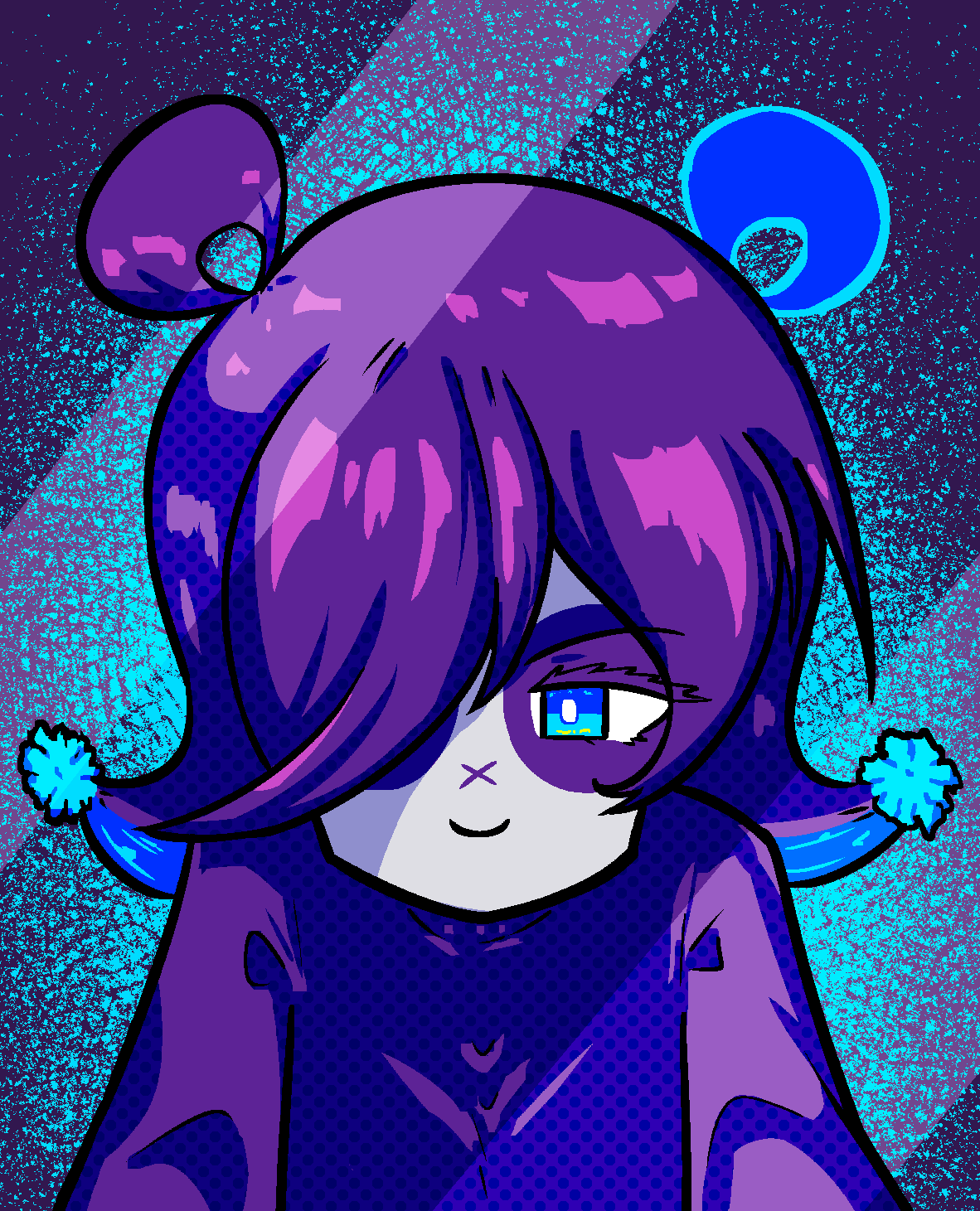
Eldritch (plural eldritch)- An eldritch is a term given to any spirit that’s still alive even when they’re “supposed” to be dead. It's kind of a derogatory term, mainly used to stigmatize those that “disrupt the natural order” by choosing to stay alive. Eldritch do have something in common beyond this—they require some living matter to feed off of regularly to survive, and while some consume detritus or carrion, others will simply possess a living host and start a strange symbiotic relationship that depends from eldritch to eldritch. The powers of an eldritch typically exceed those of other spirits, but that’s not always the case. |
Spirits: Law and Order
Archspirit (plural archspirits)- Spirits have their own form of government; archspirits are leaders of their respective local populations, acting on their behalf and protecting them, as well as local humans, from harm. In that sense, they’re like tribe leaders. An archspirit’s abilities are also much more potent than that of an average spirit, to an extent that makes them comparable to eldritch, so they’re treated with great respect among the locals. For instance, Hamada Alchias is an archspirit who resides in Tokyo, and thus the spirits living in Tokyo are his subjects. Archspirits are usually elected through a rigorous process that accounts for their lineage, ability, and the people's opinion. Archspirits usually stay in power until their death, and any number of archspirits may be active in one population at once, though this number usually stays within the single digits.
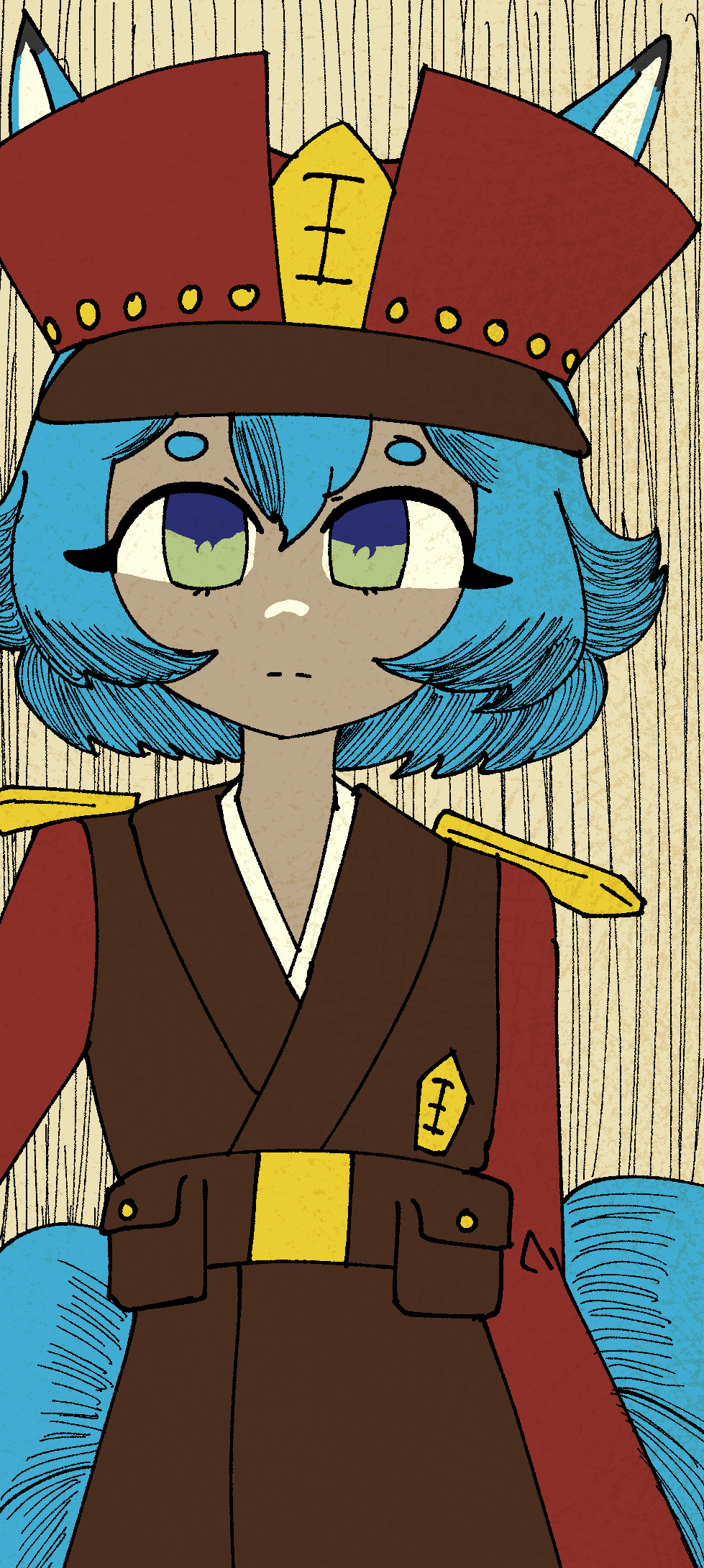
Ether police- Spirits have a kind of police force in place, which are tasked with putting the souls of deceased humans and animals in designated "cells" called magna opera (to be discussed later), as well as keeping eldritch in check. To humans that believe that spirits are their gods, the ether police function like angels, delivering souls to their final resting places; the ether police's cells act as afterlives. Due to the post-mortem nature of this work, psychopomps are most often employed as ether police. |
Magnum opus (plural magna opera)- A device, almost always wielded by a spirit, that’s characterized by a red flaming glow when activated. Magna opera come in all shapes and sizes, and are usually wielded by the ether police and high-ranking officials. We still don’t know where magna opera come from or how exactly they operate, but there are two types of magna opera: black and white. Spirits who wield magna opera are called wielders: those with black magna opera are called blackwielders, and those with white magna opera are called whitewielders.

Black magna opera have the ability to “manipulate organic matter.” This has a variety of uses, and black magna opera have the capacity to store living beings within them, or to be used as lethal weapons that can kill with ease.
Basically, you don’t wanna get on a blackwielder’s bad side! |

White magna opera are much stranger, and have the ability to “manipulate souls.” I don’t really understand what this entails, but one of our sources compared white magna opera to “holding cells for souls, or afterlives where souls are kept for safekeeping.” This apparently makes them more potent weapons against other spirits, as they’re “more soul than an animal is,” according to our sources. |
Magnum opus wielders are bound by something called wielder jurisdiction: they’re only allowed to wield their respective magna opera within the areas they’re “registered” in. For instance, if a magnum opus is registered in Shinjuku, Tokyo, that magnum opus may only be wielded in Shinjuku. Magna opera may be registered in more than one place, though this is usually reserved for magna opera whose wielders are of a particularly high status.
Miscellaneous Terminology
These terms don't fit in our page for spirit-related terminology, but they're handy to know nonetheless.
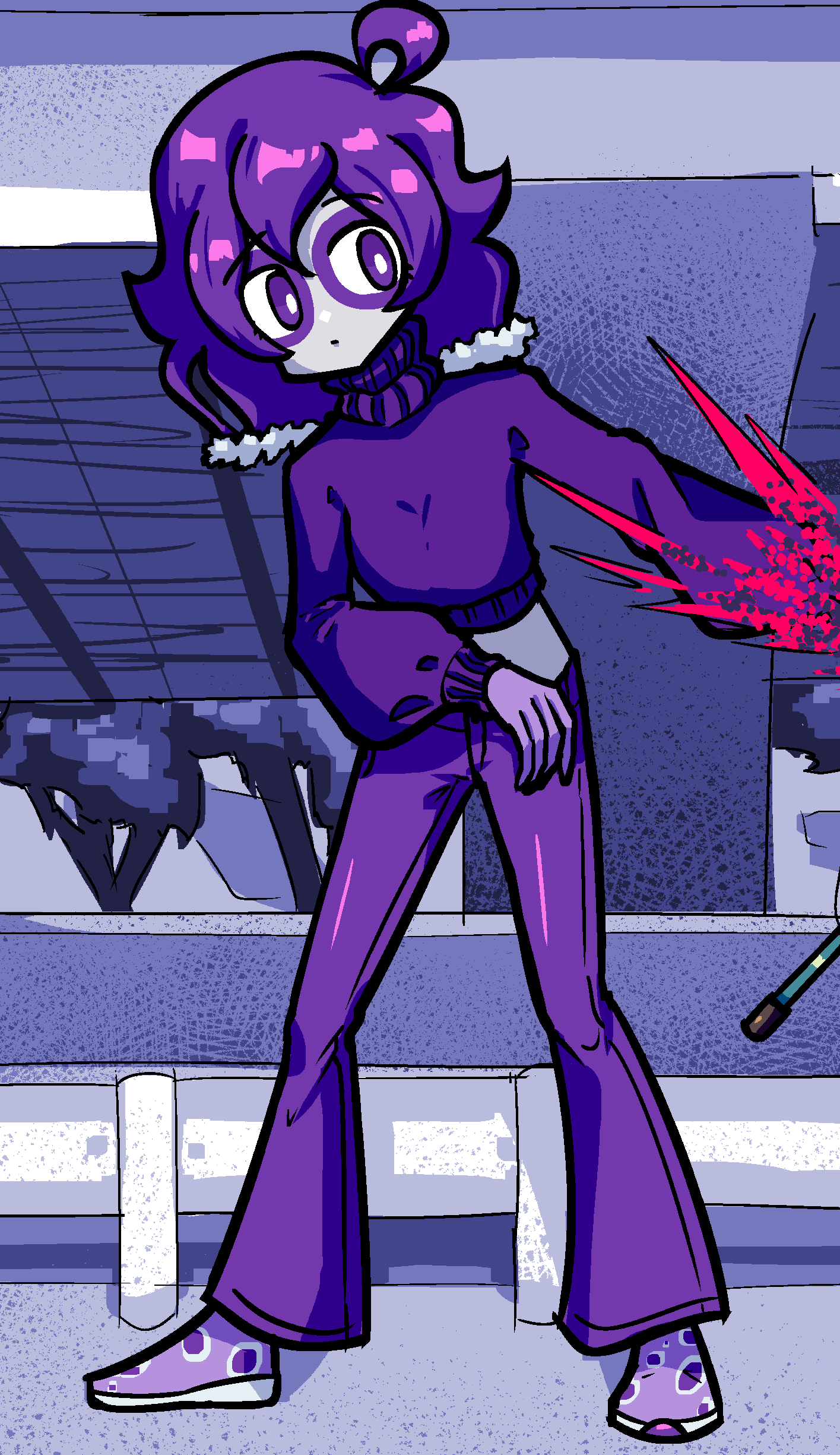
Homunculus (plural homunculi)- We know this term sounds a little derogatory, but that’s what they’re called, honest! A homunculus is formed when an unsuspecting invertebrate, like an insect or a sea cucumber, is exposed to some powerful energy, giving them humanoid form and intelligence. They might still retain some capabilities from when they were once normal animals! |
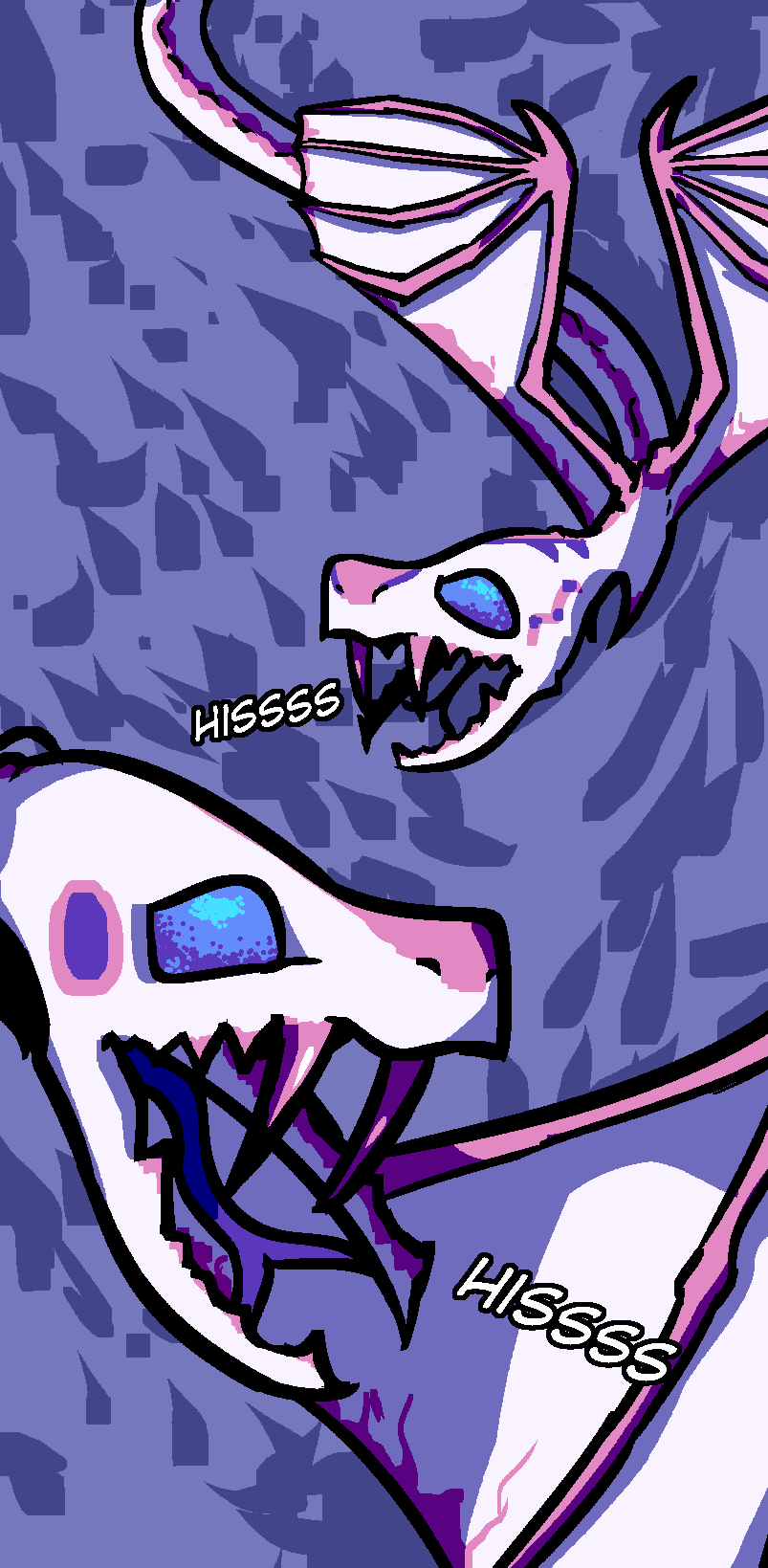
Monster (plural monsters)- Monsters are characterized by their pale skin, skeletal bodies, and blue, glimmering eyes, but their body types can differ vastly. All we know about their origin is that they come from an eldritch named “Gehne,” and their reproductive cycle, if they have one at all, hasn’t been studied extensively yet. |
History
Nominal Mythology Law- A law that was passed on October 6, 1774, and repealed on the day of the Namako Incident, exactly 250 years later. The law was passed in the general area of current-day Shibaura-Minami Futo Park, as well.
In the days leading up to the law’s passing, relations between spirits and humans were strained. With human technological advancements becoming more dangerous and spirit mortality rates reaching an all-time high, archspirits in Japan concocted a rather dire plan to solve the issue.
The law forbade contact between spirits and humans worldwide, with a few exceptions (for example, some human government officials were allowed to keep in touch with spirits). Spirits were allowed to observe humans from a distance and infiltrate human society in secret, but humans weren’t allowed to learn of the existence of spirits. The effects of this law eventually led to humans believing that spirits were mere creatures of myth; as these spirits were myth only in name, the law was retroactively named the Nominal Mythology Law.
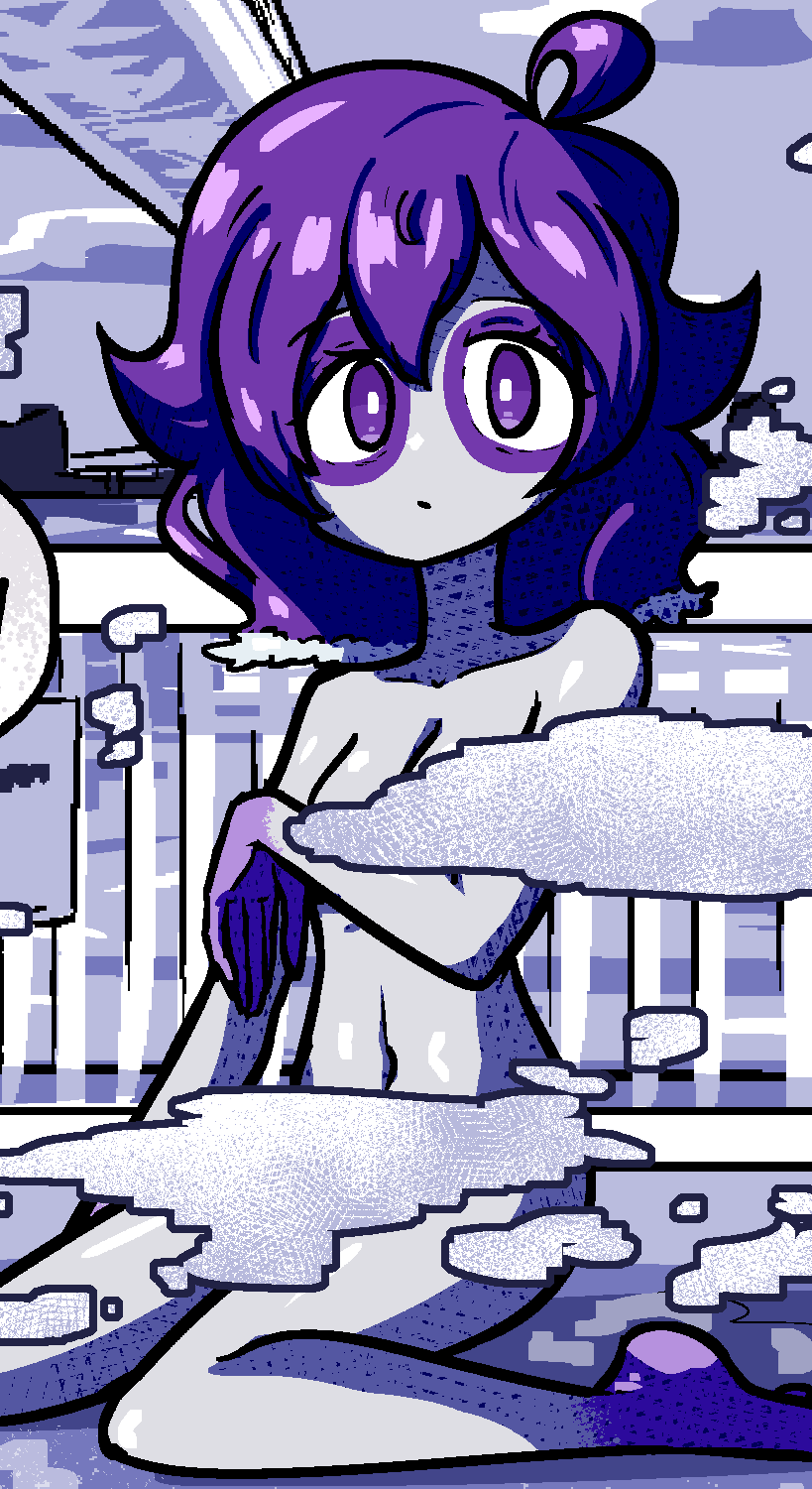
The Namako Incident- An incident that occurred on October 6, 2024, in Shibaura-Minami Futo Park. Archspirit Hamada Alchias made his presence known, put up a megaphone, and, for good measure, turned a sea cucumber into a girl. And on that day, the whole world changed. Officially, the incident is called the Shibaura-Minami Futo Park Incident, but for the sake of brevity we've named it the Namako Incident. |